
Colorado Roofing Professionals
Roofing Questions & Answers

Roofing FAQs for Colorado Property Owners

Find straightforward answers about residential roofing, commercial roofing, asphalt shingles, hail damage, roof repairs, replacement, maintenance, and the conditions Colorado roofs face.

28 Roofing Questions Four Roofing Topics Helpful Industry Resources
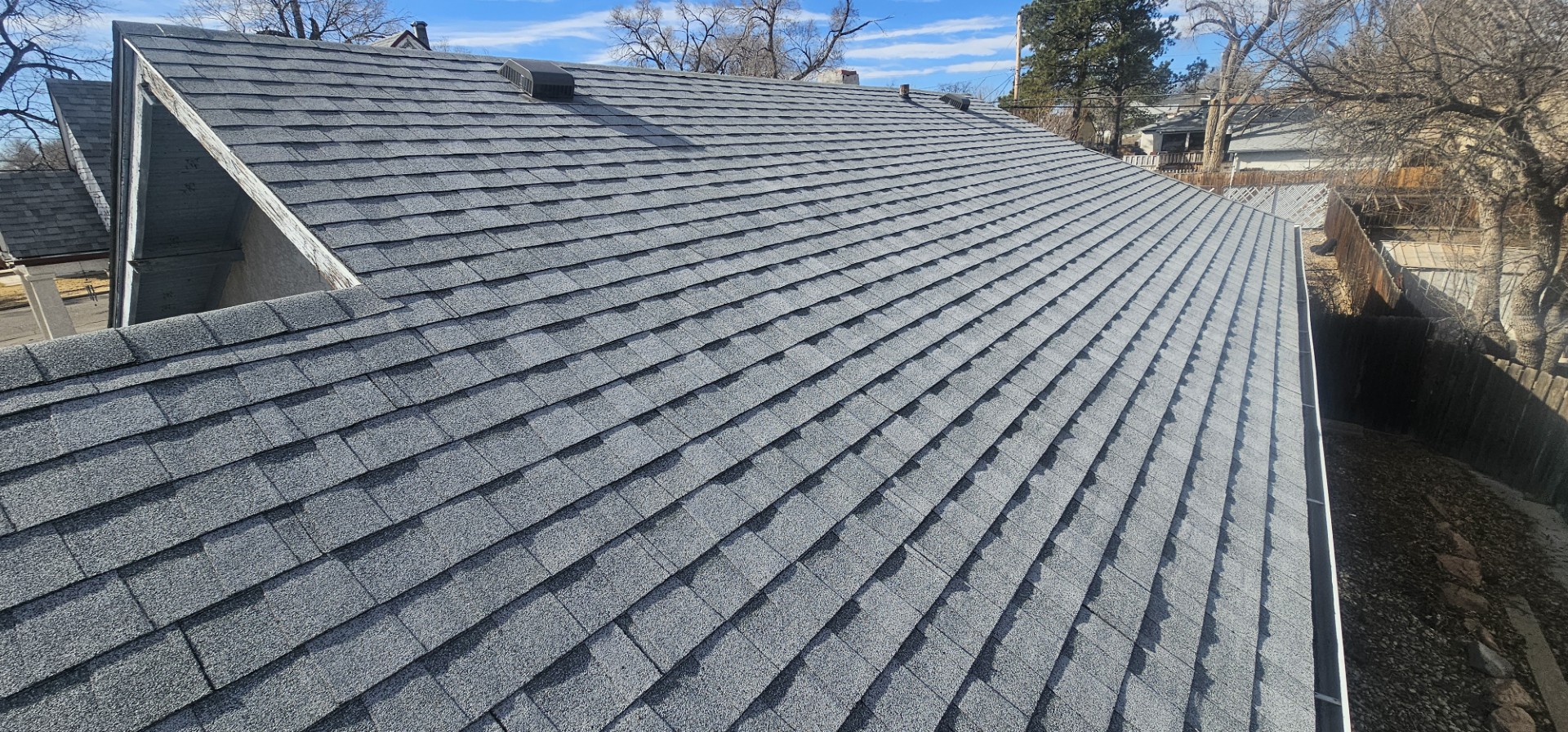
Residential shingle roofing in Colorado
01 Residential Roofing

Understanding the roof protecting your home.

Residential Roofing FAQs

Common Questions From Colorado Homeowners

From deciding between a repair and replacement to understanding ventilation and roof lifespan, these questions cover some of the most common residential roofing concerns.

Localized damage can often be repaired when the rest of the roofing system remains in good condition, while widespread deterioration may make replacement the more practical long-term choice. A professional evaluation based on roof age, materials, damage, and previous repairs can help determine the appropriate approach, and the National Roofing Contractors Association provides additional consumer roofing guidance.

  • Consider the age of the existing roofing system.
  • Look at whether damage is isolated or widespread.
  • Factor in recurring leaks and previous repairs.
  • Evaluate the condition of shingles, flashing, and roof decking.
Roof lifespan varies according to the roofing material, installation quality, ventilation, maintenance, and the weather conditions the roof experiences over time. Regular inspections and maintenance can contribute significantly to long-term roof performance, something the NRCA emphasizes in its roof maintenance guidance.

  • Material quality affects expected service life.
  • Proper installation is critical to long-term performance.
  • Colorado hail, wind, snow, and sunlight can accelerate wear.
  • Maintenance can help catch developing problems earlier.

Water stains, damp insulation, peeling paint, visible moisture, and recurring ceiling discoloration can all indicate that water is entering somewhere in the roofing system. The source may be far from where the interior stain appears, which is why guidance from organizations such as the NRCA encourages proper roof evaluation instead of relying solely on visible interior symptoms.

  • Ceiling or wall discoloration.
  • Damp attic insulation or wood.
  • Water around vents or penetrations.
  • Missing shingles or damaged flashing.

A roof should be evaluated periodically and after significant weather events, particularly when hail, strong winds, falling debris, or visible damage may have affected the system. Regular inspection and maintenance are important to roof performance according to the NRCA's maintenance guidance.

  • Check after significant hail or wind events.
  • Watch for visible changes in shingles or flashing.
  • Evaluate recurring leak areas promptly.
  • Include roof condition in regular home maintenance.

Proper attic and roof ventilation helps manage heat and moisture that can affect both roofing materials and the building beneath them. Ventilation should work as part of the complete roof assembly, and the NRCA Roofing Guidelines provide technical information about complete roofing-system design and performance.

  • Helps manage excess attic heat.
  • Helps reduce moisture accumulation.
  • Works alongside insulation and air sealing.
  • Can influence long-term roofing performance.

Many residential replacements can move relatively quickly, but roof size, pitch, complexity, materials, weather, and underlying repairs all affect the actual schedule. Roofing installation requirements vary by system, and the NRCA Roofing Manual and guidelines illustrate how many components contribute to a properly assembled roof.

  • Larger and steeper roofs generally require more time.
  • Weather can alter the installation schedule.
  • Damaged decking may require additional work.
  • Complex rooflines require additional detailing.

Asphalt shingles remain a popular option because of their combination of performance, appearance, availability, and value, while the best material ultimately depends on the home and owner's priorities. In hail-prone areas, homeowners may also want to compare impact-resistant products using research such as the IBHS shingle impact-resistance ratings.

  • Architectural asphalt shingles.
  • Impact-resistant shingle products.
  • Materials selected for the home's roof design.
  • Colors and profiles suited to the property.
Commercial Roofing FAQs

Questions From Building Owners & Property Managers

Commercial roofing systems have different maintenance, drainage, penetration, and material considerations than many residential roofs.

Commercial roofs benefit from a planned inspection and maintenance program because small defects can become costly interior problems when they go unnoticed. The NRCA identifies regular inspections and maintenance as critical to long-term roof-system performance.

  • Inspect routinely as part of property maintenance.
  • Evaluate the roof after major storms.
  • Check after work by HVAC or other rooftop contractors.
  • Document developing problem areas.

Low-slope roofs have relatively little pitch and generally rely on waterproof membrane systems rather than the water-shedding approach used by many steep residential roofs. The NRCA Roofing Guidelines cover materials and installation methods for a broad range of commercial and low-slope roof assemblies.

  • Common on warehouses and commercial buildings.
  • Drainage design is especially important.
  • Often uses membrane-based roofing systems.
  • Penetrations require careful flashing and detailing.

TPO is a single-ply thermoplastic membrane commonly used on commercial and low-slope roofing applications because large roof areas can be covered with a continuous membrane system. Proper design and installation remain important regardless of membrane type, and the NRCA maintains extensive technical roofing guidance covering low-slope assemblies.

  • Used extensively on low-slope roofs.
  • Seams are typically heat-welded.
  • Works as part of a complete roof assembly.
  • Available for new construction and reroofing applications.

Water that remains on a low-slope roof can indicate a drainage, slope, blockage, or roof-deformation issue that should be investigated rather than ignored. Drainage and roof design are important parts of commercial roof performance, subjects addressed throughout the NRCA's technical roofing resources.

  • Check drains, scuppers, and gutters for debris.
  • Look for recurring areas of standing water.
  • Inspect membrane seams around ponding areas.
  • Evaluate changes in roof slope or substrate condition.

Replacement becomes worth considering when deterioration is widespread, leaks repeatedly return, repairs consume increasing resources, or the existing roof no longer provides dependable protection. A formal inspection and maintenance history can make that decision easier, and the NRCA provides building-owner resources for roof systems and maintenance.

  • Consider the age and condition of the roof.
  • Review recurring leak locations.
  • Compare repair costs with long-term replacement value.
  • Evaluate insulation and underlying roof components.

Foot traffic, dropped tools, displaced flashing, new penetrations, and service work around rooftop equipment can all affect a commercial roofing system if the roof is not adequately protected. Roof-mounted equipment requires careful integration with the roofing assembly, and NRCA technical guidance covers penetrations and rooftop components as part of complete roof-system design.

  • Inspect areas around HVAC units after service work.
  • Use designated walk paths where appropriate.
  • Check new penetrations and flashing details.
  • Document who performs rooftop work.

Regular maintenance gives building owners an opportunity to address debris, drainage problems, seam deterioration, flashing concerns, and small defects before they lead to larger failures. The NRCA specifically describes maintenance as key to long-term roof performance.

  • Identify problems before interior leakage occurs.
  • Keep drainage paths clear.
  • Monitor flashing, seams, and penetrations.
  • Develop better long-term repair and replacement planning.
Commercial roofing system
02 Commercial Roofing

Protecting the building, operations, and property beneath it.

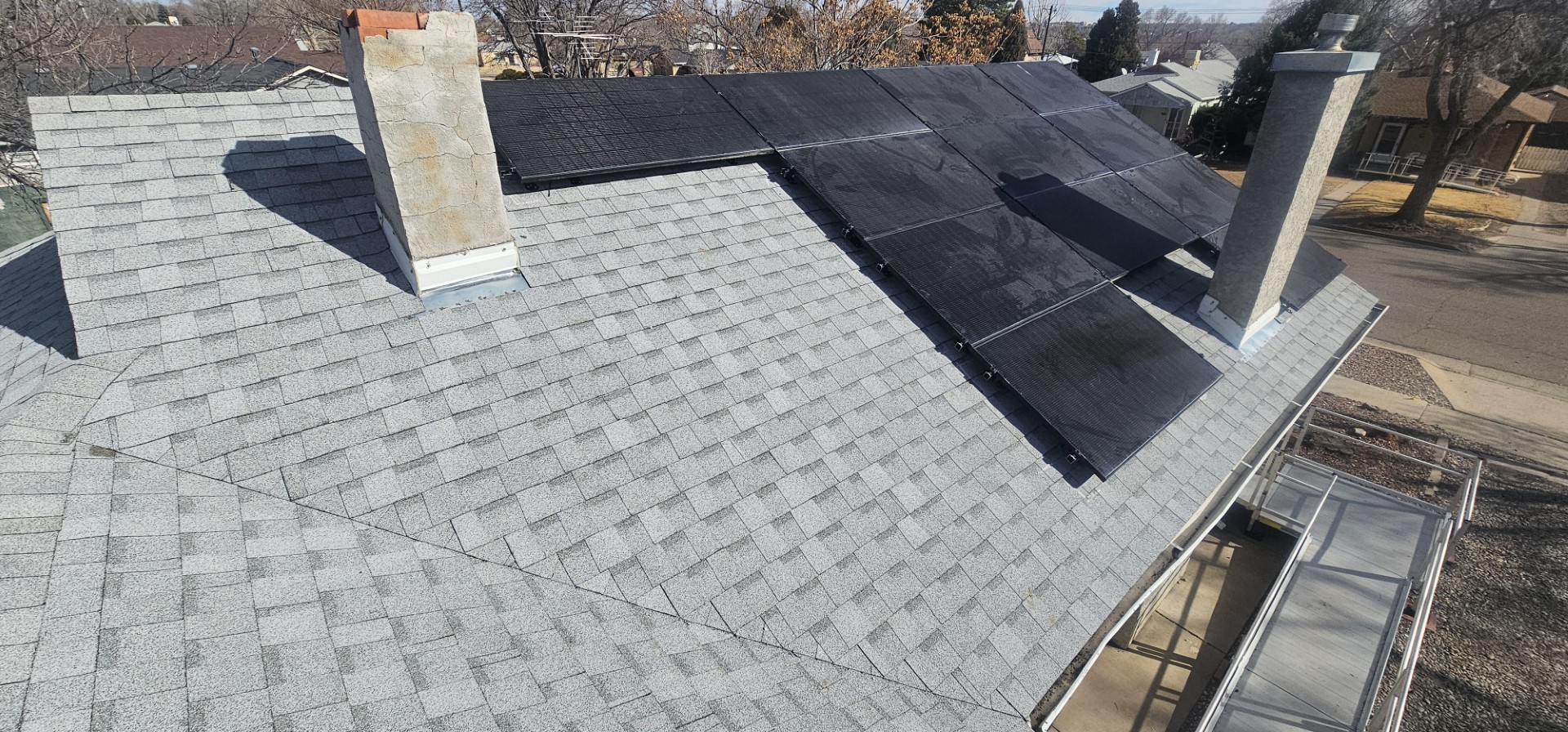
Asphalt shingle roofing system
03 Shingle Roofing

Understanding materials, performance, and your options.

Shingle Roofing FAQs

Questions About Asphalt Shingle Roofs

Asphalt shingles remain one of the most widely used roofing materials, but products, performance levels, styles, and installation details can vary substantially.

Architectural shingles use a dimensional construction that creates greater visual depth than traditional three-tab shingles and are available in numerous colors and performance levels. Shingles are only one component of a complete roof assembly, and the NRCA Roofing Guidelines provide broader information about roofing materials and installation.

  • Provide a dimensional roof appearance.
  • Available in numerous colors and profiles.
  • Offered in several performance grades.
  • Suitable for many residential architectural styles.

Shingle service life depends on the specific product, installation, ventilation, roof design, maintenance, and the amount of weather exposure the system receives. Regular maintenance contributes to roof longevity, which is why the NRCA recommends ongoing roof inspection and maintenance.

  • Higher-quality products may offer longer service expectations.
  • Installation details affect performance.
  • Hail and wind can shorten roof life.
  • Ventilation and maintenance also play a role.

Impact-resistant shingles are designed and tested to provide increased resistance to damage from impacts such as hail compared with conventional roofing products. The Insurance Institute for Business & Home Safety tests asphalt shingles using laboratory-created hailstones to compare relative product performance.

  • Designed for increased impact resistance.
  • Particularly relevant in hail-prone areas.
  • Performance varies between individual products.
  • No asphalt shingle should be considered completely hail-proof.

Asphalt shingles contain protective surface granules, and some granule loss occurs naturally as roofing materials age while concentrated loss may indicate wear or impact damage. Research from IBHS specifically evaluates granule loss as one of the damage modes associated with hail impacts on asphalt shingles.

  • Some loose granules can occur naturally.
  • Heavy localized loss may warrant inspection.
  • Hail can dislodge roofing granules.
  • Aging shingles may lose granules progressively.

Individual shingles or smaller damaged areas can sometimes be repaired when surrounding materials remain serviceable and compatible replacement materials are available. The decision should account for overall roof condition as well as the localized defect, consistent with the roof-system approach described in NRCA roofing guidance.

  • Missing shingles may be individually replaceable.
  • Small wind-damaged areas may be repairable.
  • Older shingles may be brittle or difficult to match.
  • Widespread deterioration may favor replacement.

Asphalt shingles are the visible outer covering of a roofing system that can also include decking, underlayment, flashing, drip edge, ventilation components, and other water-management materials. These components work together rather than independently, which is reflected in the complete roof-system installation guidance published by the NRCA.

  • Structural roof decking.
  • Roofing underlayment.
  • Flashing and water-management details.
  • Ventilation and penetration components.

Roof color should complement permanent exterior elements such as brick, stone, siding, trim, and the architectural style of the home rather than being considered by itself. Product availability and installation requirements should also be part of the decision, and homeowners can use the NRCA's consumer roofing resources when researching roofing materials and contractors.

  • Compare shingles with existing siding and trim.
  • Consider brick and masonry colors.
  • Look at samples under natural outdoor light.
  • Consider the overall architectural style of the home.
Hail Damage FAQs

Questions After Colorado's Severe Weather

Hail damage can range from obvious missing roofing materials to subtle impact damage that is difficult to identify from the ground.

Hail damage may appear as bruising, fractured shingles, granule loss, exposed material, displaced roofing, or damage to vents and flashing, although many signs are difficult to see from ground level. The National Weather Service notes that severe thunderstorms can produce hail capable of damaging roofs and other property.

  • Missing or displaced shingles.
  • Dark impact marks or granule loss.
  • Cracks, bruises, or fractures.
  • Dented vents, flashing, or metal components.

Yes, hail can damage or weaken roofing materials without immediately creating an opening large enough for visible interior water intrusion. IBHS hail research evaluates dents, tears, and granule loss because roof damage can take several forms beyond an obvious hole or missing shingle.

  • Bruising can occur beneath the surface.
  • Granule loss may expose the shingle beneath.
  • Small fractures can worsen with additional weather.
  • Flashing damage may leak only under certain conditions.

If your property experienced significant hail or strong winds, a roof evaluation can help determine whether roofing components were affected even when no interior leak is visible. The National Weather Service considers hail of one inch or larger one of the criteria for a severe thunderstorm and notes that hail of this size can damage roofs and other property.

  • Check after significant hail events.
  • Look for visible damage from ground level.
  • Check gutters and downspouts for excessive granules.
  • Watch ceilings and attic areas for new moisture.

Climbing onto a storm-damaged roof can expose you to loose materials, wet surfaces, unstable areas, and fall hazards, so observations from the ground are generally the safer starting point. During severe weather the National Weather Service recommends remaining safely inside, and on-roof evaluation is better left until conditions are safe.

  • Inspect what you can safely see from the ground.
  • Do not walk on wet or unstable roofing.
  • Look indoors for signs of water intrusion.
  • Use a qualified roofing professional for detailed evaluation.

No, the appropriate response depends on the severity and distribution of the damage as well as the age and overall condition of the existing roofing system. Because hail affects roofing products differently, research such as the IBHS impact-resistance program evaluates how individual asphalt shingles perform under simulated hail impacts.

  • Localized damage may sometimes be repaired.
  • Widespread impacts may justify replacement.
  • Roof age influences the repair decision.
  • Existing deterioration should be considered.

Protect interior belongings where it can be done safely, contain incoming water, and arrange for the roofing system to be evaluated rather than attempting risky rooftop repairs during severe weather. The National Weather Service's severe thunderstorm guidance emphasizes remaining inside and away from storm hazards while dangerous conditions are occurring.

  • Move belongings away from active water intrusion.
  • Contain water where safely possible.
  • Avoid electrical equipment in wet areas.
  • Do not climb onto the roof during dangerous conditions.
  • Arrange for roofing evaluation when conditions are safe.

Impact-resistant shingles can be worth considering in hail-prone areas because they are designed and tested to withstand impact better than many conventional products, although no asphalt shingle is completely immune to severe hail. The IBHS Impact-Resistant Shingle Ratings provide independent comparisons that can help property owners research available products.

  • Designed for increased impact resistance.
  • Useful for homes exposed to frequent hail.
  • Performance varies between manufacturers and products.
  • Can be compared using independent testing information.
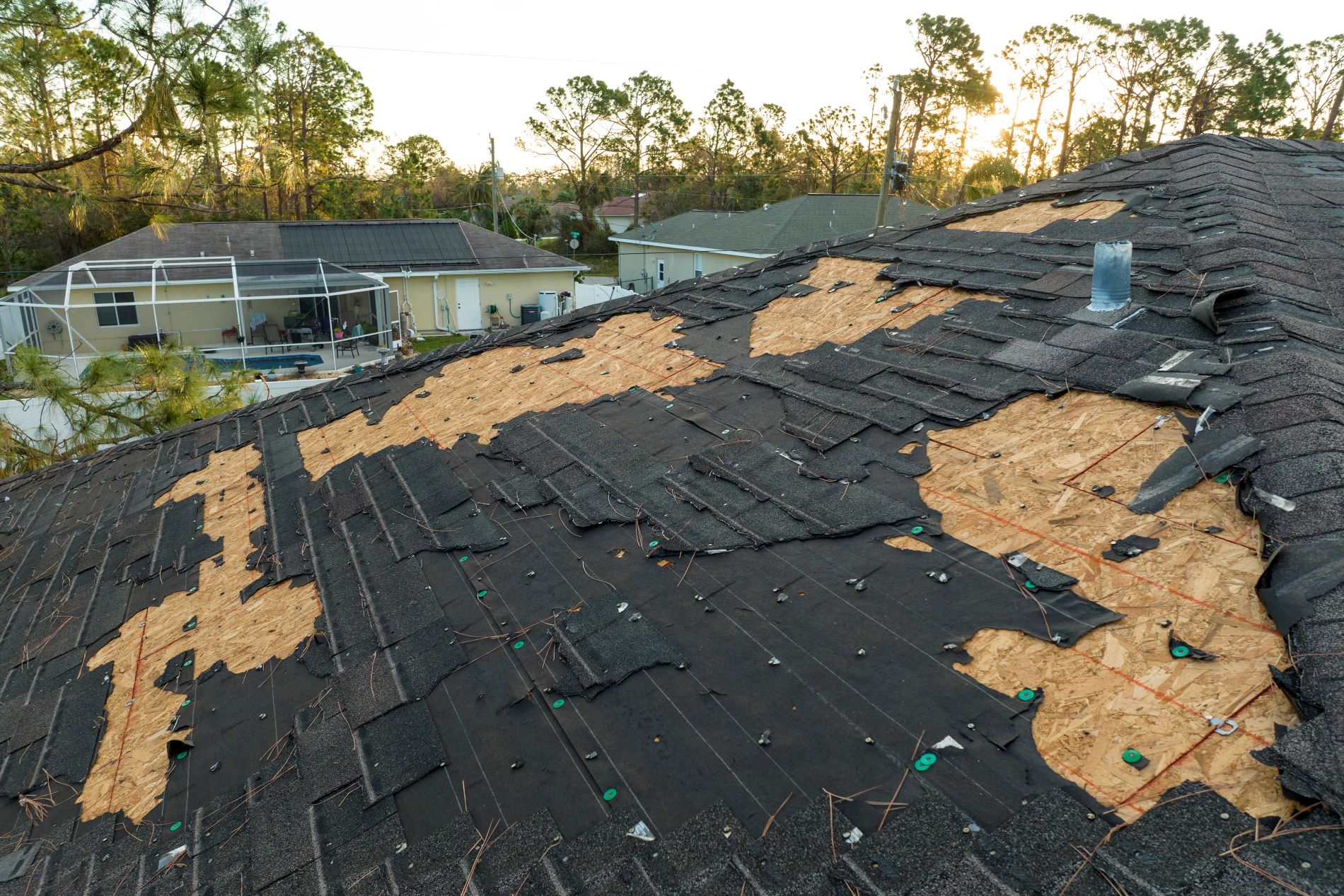
Roof damaged by severe weather and hail
04 Hail Damage

Understanding what severe Colorado weather can do to a roof.

Contact Calvin Turner Roofing

Ready to talk about your roof?

Whether you need an inspection, repair, replacement, storm-damage assessment, or a new roofing estimate, our team is ready to help.

Tell us what you’re dealing with and we’ll help you determine the right next step for your home or commercial property.

Roofing Estimates Roof Inspections Repairs & Replacements Storm & Hail Damage
Request Roofing Service

Tell us about your project.

To help reduce automated spam, we use a quick verification step before displaying the full contact form.

Secure two-step verification

Are you a New or Existing Customer?